





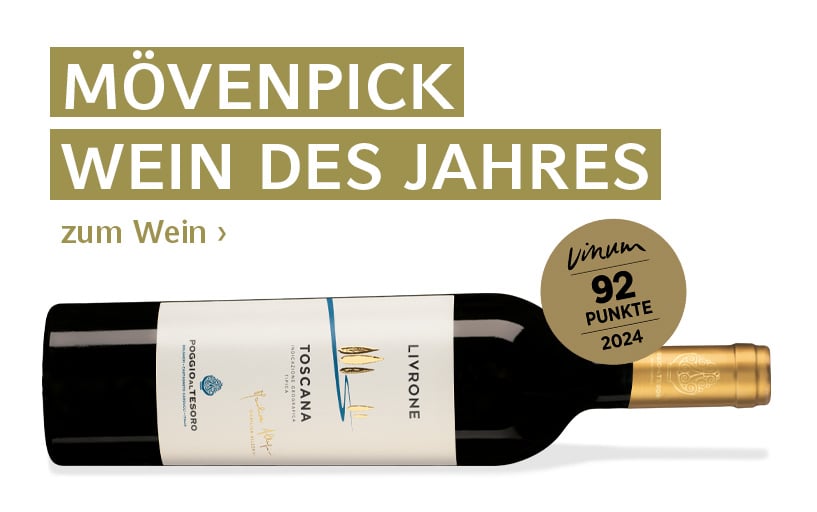
-
Simón Arinas grandioser Rioja-Garnacha Details ›

36%
2018 Baigorri Garnacha
Rioja DOCa Bodegas Baigorri
75 cl (CHF 33.07 / l)Sonderangebot CHF 24.80 Normalpreis CHF 39.00Preis inkl. Mwst.,zzgl. Versand › -
Edler Pomerol aus Frauenhand Details ›

30%
2021 Château Bourgneuf
Pomerol AOC
75 cl (CHF 73.33 / l)Sonderangebot CHF 55.00 Normalpreis CHF 79.00Preis inkl. Mwst.,zzgl. Versand › -
Apuliens Trendrebsorte in Bestform Details ›
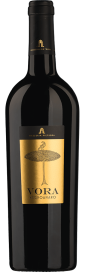
50%
2021 Vora
Negroamaro Salento IGP Masseria Pietrosa
75 cl (CHF 15.87 / l)Sonderangebot CHF 11.90 Normalpreis CHF 23.80Preis inkl. Mwst.,zzgl. Versand › -
Châteauneuf von den ältesten Reben der Domaine Details ›

14%
2020 Châteauneuf-du-Pape AOP
Vieilles Vignes Tardieu-Laurent
75 cl (CHF 78.67 / l)Sonderangebot CHF 59.00 Normalpreis CHF 69.00Preis inkl. Mwst.,zzgl. Versand › -
Cabernet Sauvignon, argentinisch charaktervoll Details ›

40%
2019 Cabernet Sauvignon Catena Alta
Mendoza Bodega y Viñedos Catena
75 cl (CHF 36.00 / l)Sonderangebot CHF 27.00 Normalpreis CHF 45.00Preis inkl. Mwst.,zzgl. Versand › -
Die Wärme Südfrankreichs in einem überzeugenden Rotwein Details ›
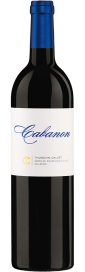
26%
2020 Cabanon
Côtes du Roussillon Villages AOC Thunevin-Calvet
75 cl (CHF 18.53 / l)Sonderangebot CHF 13.90 Normalpreis CHF 18.90Preis inkl. Mwst.,zzgl. Versand › -
Innovation aus der Staatskellerei Zürich Details ›

20%
2022 Akkurat Rot
Vin de Pays Suisse Staatskellerei Zürich
75 cl (CHF 18.67 / l)Sonderangebot CHF 14.00 Normalpreis CHF 17.50Preis inkl. Mwst.,zzgl. Versand › -
Bewährter Grande Réserve im neuen Kleid Details ›
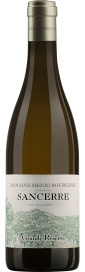
26%
Bio
Neu
2023 Sancerre AOC Grande Réserve
Argiles Calcaires Domaine Henri Bourgeois (Bio)
75 cl (CHF 34.67 / l)Sonderangebot CHF 26.00 Normalpreis CHF 35.00Preis inkl. Mwst.,zzgl. Versand › -
Chablis-Bestseller aus historischenWeinbergen Details ›

27%
2022 Chablis AOC
Champ des Ducs Domaine Alain Geoffroy
75 cl (CHF 29.20 / l)Sonderangebot CHF 21.90 Normalpreis CHF 29.80Preis inkl. Mwst.,zzgl. Versand ›
Top-Kategorien entdecken

40%
Lieferbar in 2-3 Arbeitstagen
Feinfruchtiger Amarone mit Starpotenzial
Der Amarone De Roari aus den Rebsorten Corvina und Rondinella zählt zu den Amarones der ersten Stunde für die Mövenpick-Kundschaft. Der Önologe und Besitzer des kleinen Weinguts, Gianmaria Righetti, vinifiziert einen eleganten, fruchtbetonten Amarone, der sich gut einlagern lässt.
| Artikelnummer | 0424319075C6100 |
|---|---|
| Alkoholgehalt | 15.5% vol. |
| Rebsorte(n) | 75% Corvina Veronese, 20% Rondinella, 5% Andere Rebsorten |
| Trinkreife | Jetzt bis 2031 |
| Passt zu | Besonders passend zu Gerichten mit dunklem Fleisch wie Schweinsfilet, Tatar, Rindsragout oder Lammracks. Spannend auch zu Grillspiessen, Branzino vom Grill, Coniglio, Fegato und Eintöpfen. |
| Allergene | Enthält Sulfite |


Mövenpick Wein Highlights




Entdecken Sie bei Mövenpick Wein über 3000 Qualitätsweine
Seit der Eröffnung des ersten Mövenpick Restaurants 1948 in Zürich steht Mövenpick für eine Welt voller Genuss und Leidenschaft. Seinen Gästen eine hochstehende Weinauswahl anzubieten, war Firmengründer Ueli Prager von Anfang an ein wichtiges Anliegen. Die in den Mövenpick Restaurants angebotenen Weine waren so beliebt, dass man sie bald auch zu Hause geniessen wollte. So setzte Ueli Prager 1962 mit der Eröffnung des ersten Weinkellers in Zürich-Enge auch im Schweizer Weinhandel neue Akzente.
Mittlerweile können Weinliebhaberinnen und Weinliebhaber an über 40 Standorten in der Schweiz, in Liechtenstein und Deutschland sowie im Onlineshop die genussvolle Weinwelt von Mövenpick entdecken. Es erwartet Sie ein ausgewähltes Sortiment mit über 3000 Qualitätsweinen aus aller Welt. Ob Speisenbegleiter, Apéro-Star oder Cheminée-Wein – es ist für jeden Anlass etwas Passendes dabei.
Kompetenz in Wein
Unsere erfahrenen Weinberaterinnen und -berater helfen Ihnen mit ihrem grossen Fachwissen und ihrer Passion bei der Orientierung in der Welt der Weine. Die Profis nehmen sich Zeit für Sie, beraten Sie kompetent und individuell und überraschen Sie mit ausgesuchten Neuentdeckungen. Ausserdem bieten wir Ihnen an unseren Standorten täglich mindestens 20 Weine zur kostenlosen Degustation an. Regelmässige Events bieten die Gelegenheit, tiefer in die Welt von Mövenpick Wein einzutauchen.
People Business
Mövenpick Wein pflegt seit vielen Jahren persönliche Beziehungen zu den Winzerinnen und Winzern aus allen wichtigen Weinanbaugebieten der Welt. Um Ihnen stets die beste Qualität und ein vielfältiges Sortiment anbieten zu können, besuchen wir regelmässig unsere Produzenten, wählen die Weine sorgfältig aus und importieren diese direkt von den Weingütern. Lassen Sie sich inspirieren von spannenden Neuentdeckungen, bewährten Klassikern oder dem Mövenpick Wein des Jahres, welchen wir für Sie mit grosser Sorgfalt auswählen.